Health
Shocking study: Dozing off while watching TV can cause… premature death
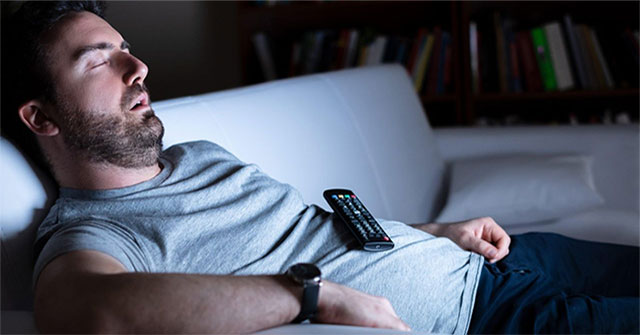
Falling asleep on the sofa while watching TV is a habit of many people, but it is not as harmless as we think.
Browse ScienceInfo articles and explainers related to Premature Death.
21 published items.
Falling asleep on the sofa while watching TV is a habit of many people, but it is not as harmless as we think.

New research from the UK and Norway has identified a factor that doubles a person's risk of premature death. The good news is that you can compensate with just 24 minute…
The results of the study show that we really shouldn't

You don't need to walk up to 10,000 steps to extend life, a big study by Harvard Medical School (USA) confirms.

According to a recent study by US scientists, consuming a large glass of fruit juice each day may increase the risk of premature death and cause it to stem from sugar in…
If the need is the mother of the invention or the Vietnamese way of saying:
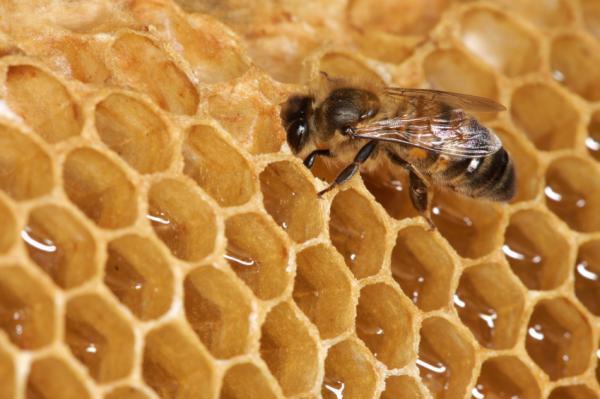
Research shows that the transition to flight activity in a naturally occurring living organism can have consequences that affect the rate of aging.

New research published by Queen's Belfast University (Northern Ireland, UK) shocked many people who were determined to say no to alcoholic beverages.
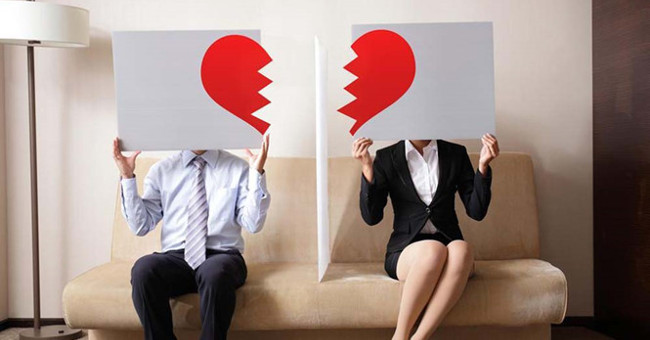
Experts from the University of Arizona (USA) noted divorce is linked to a series of bad health consequences, including an increased risk of premature death.

Repeated family quarrels will increase the risk of premature death especially in women.

According to an article posted on Sputniknews, you need to be aware of the 7 factors that will suggest you with a plan to prepare your funeral or savings book to grow ol…
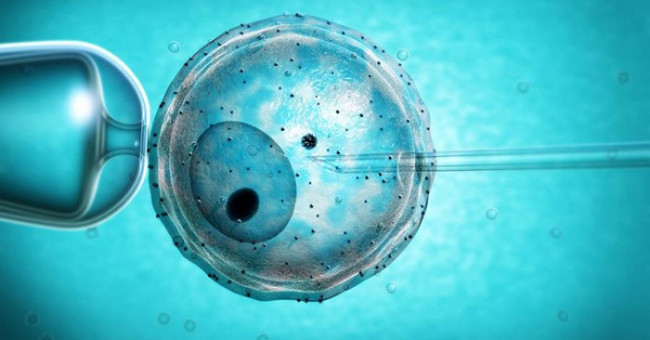
Scientists have discovered a new threat that can greatly affect in vitro fertilization technology.

Livestrong, isolated from society, lack of sex, excessive sitting or early retirement are the shortening of life expectancy that you did not expect.

If you want to know how long you live, the sensitivity of your nose can help you find the answer, a study concludes.
Three hours is the level of red alert time scientists give to those who watch television.